REVIEW · HANOI
From Ha Noi: Perfume Pagoda & Quang Phu Cau Incense Village
Book on GetYourGuide →Operated by Ha Henry company · Bookable on GetYourGuide
Karst caves and incense sticks in one day. This private trip from Hanoi strings together a Yen River boat ride, a cable car up to Perfume Pagoda, and time at Quang Phu Cau’s incense village. The whole day feels like moving between two different kinds of Northern Vietnam calm: river quiet, then temple stairs.
I love how the route is built around real moments, not just checkmarks—row out on the Yen River, then go inside the Huong Tich area where pilgrims come for centuries. I also like the human part: an English-speaking guide such as Lan (when available) can keep things organized and help you understand what you’re seeing. One possible drawback: the cable car ticket is extra, and the incense village portion may be more of a photo stop than an all-day craft experience.
In This Review
- Key points at a glance
- Yen River to limestone temples: why this trip works
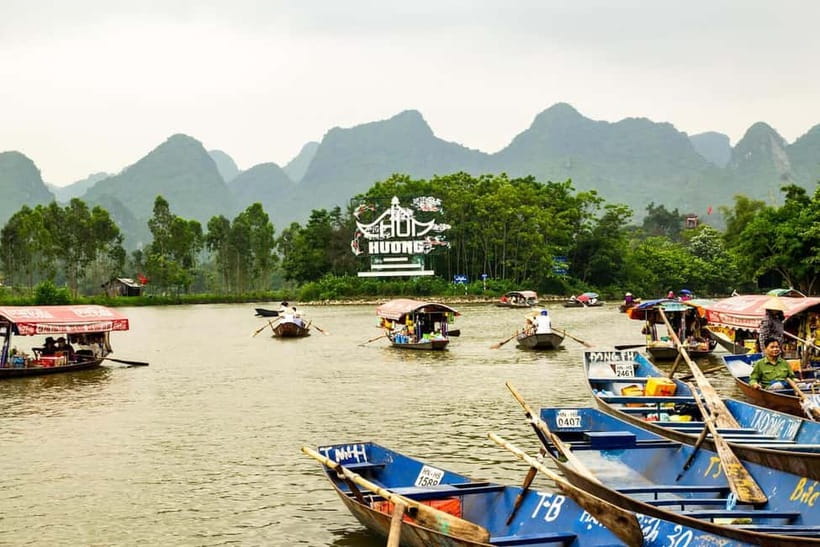
- Boat on the Yen River: the calm part you’ll remember
- Cable car to Perfume Pagoda: convenience with a small catch
- Thien Tru Pagoda and the Huong Tich Cave pilgrimage feel
- Quang Phu Cau incense village: colorful photos, but manage expectations
- Incense making: what to watch for when you meet the artisans
- Lunch and late-afternoon return: the private timing advantage
- Price and value: is $126 per person fair for this day?
- Who should book this trip, and who should skip the incense stop
- Small packing list that actually matters
- Should you book this Perfume Pagoda & Quang Phu Cau day trip?
- FAQ
- What’s included in the Perfume Pagoda & Quang Phu Cau trip?
- Is the cable car ticket included?
- What language options are available for the guide?
- Do I have to take the cable car?
- When do we visit Quang Phu Cau Incense Village?
- What should I bring for the day trip?
Key points at a glance
- Yen River boat + cable car option makes the Perfume Pagoda approach easier
- Thien Tru Pagoda and Huong Tich Cave give you both temple views and the pilgrimage setting
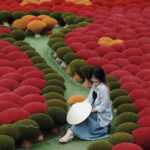
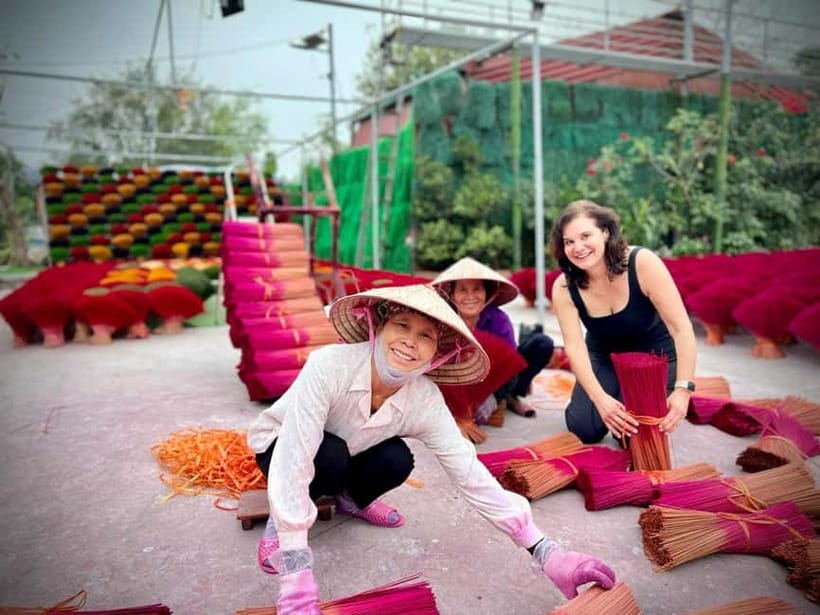
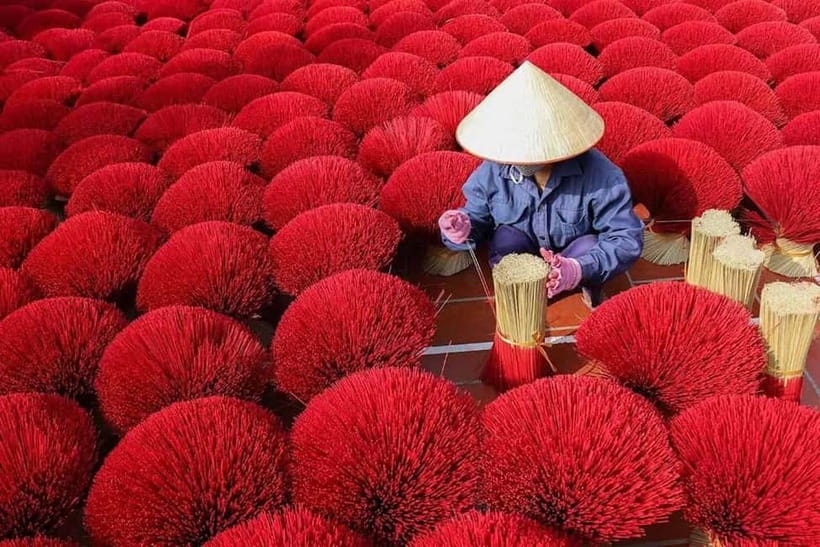
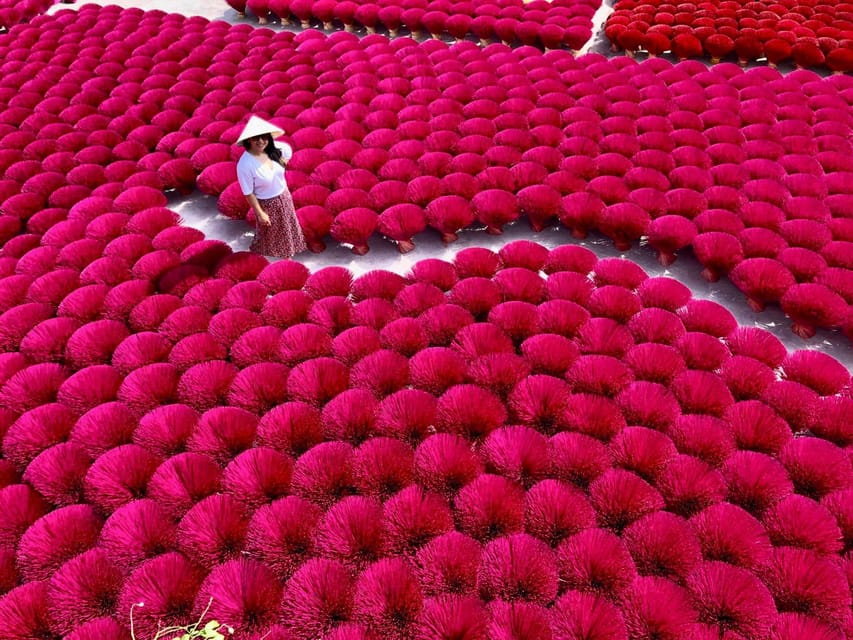
- Quang Phu Cau incense village offers a colorful scene of thousands of sticks drying in the sun
- Watch traditional incense being made and meet local artisans during the visit
- Private, flexible timing with an English-speaking guide helps you move at your pace
- Cable car and holiday surcharges can add cost, so check what applies to your dates
Yen River to limestone temples: why this trip works
This day trip has a smart flow. You start with a drive out of Hanoi, then switch to slower travel on the water. That matters because Perfume Pagoda days can get physically busy once you’re climbing and walking, so having a gentle start helps you feel fresh.
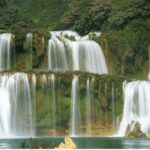
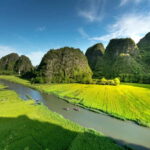
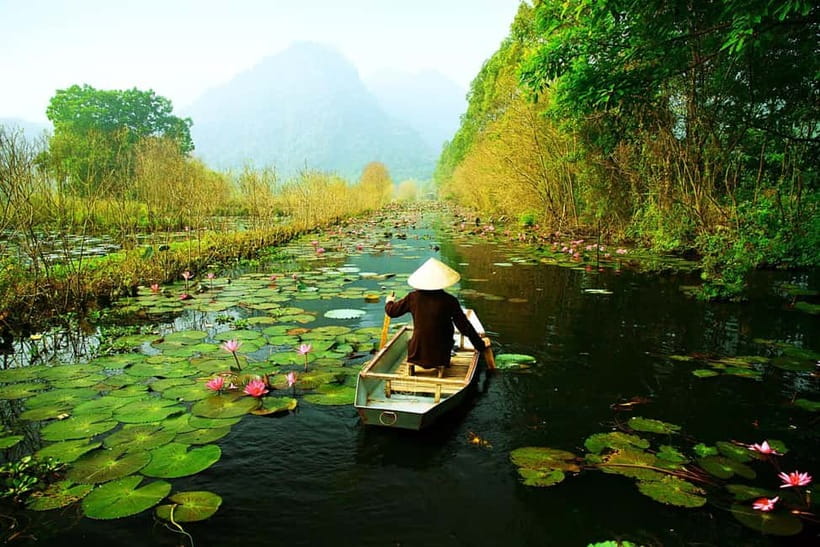
The Perfume Pagoda complex sits in the limestone Huong Tich mountains. You’re not just visiting one temple—you’re moving through a series of sacred stops in a mountain setting that’s hard to fake with photos alone. The boat ride on the Yen River also gives you that “how did they build a spiritual route here?” feeling, with karst scenery and rice fields sliding past.
Another reason I like this format is that it’s private. When you’re dealing with crowds, stairs, and small timing swings (like when people arrive at different moments), having a guide who can flex your pace makes the experience feel smoother. It’s also easier to ask questions as you go, instead of saving them for the end.
You can also read our reviews of more tours and experiences in Hanoi.


Boat on the Yen River: the calm part you’ll remember
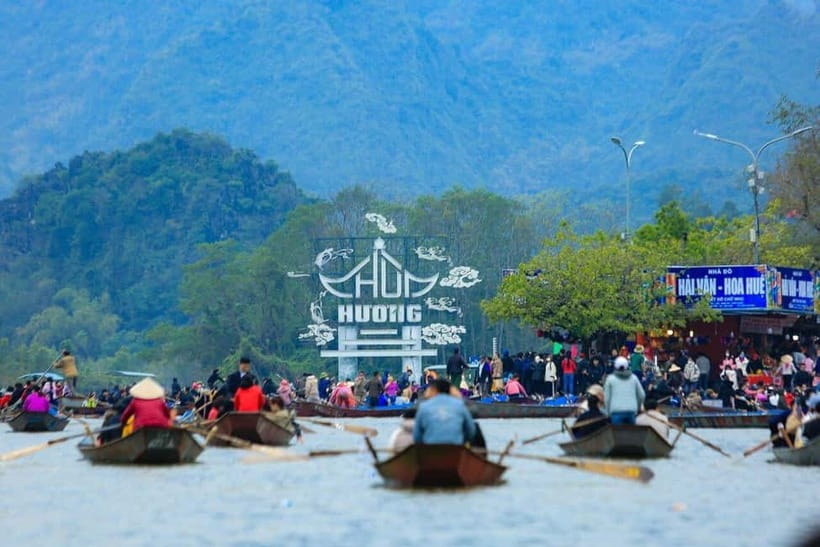
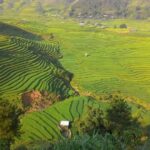
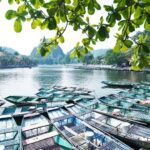
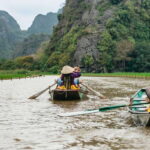
The Yen River boat trip is one of the best “breathers” in the whole day. You get a peaceful rowboat experience surrounded by karst scenery and rice fields. Even if you’ve seen photos of northern limestone, you usually get a better sense of scale from the water than from a roadside view.
This is also where I’d tell you to slow down on purpose. Put the camera down for a minute and let your eyes adjust. The route is scenic, but it’s not just scenery for scenery’s sake—it’s part of the journey to the Huong Tich area. When you reach the temple steps afterward, that quiet water memory makes the spiritual setting feel more grounded.
Practical note: this is a day trip with walking later. So if you’re prone to getting stiff, use the boat time to reset—stretch your legs and keep water handy.
Cable car to Perfume Pagoda: convenience with a small catch
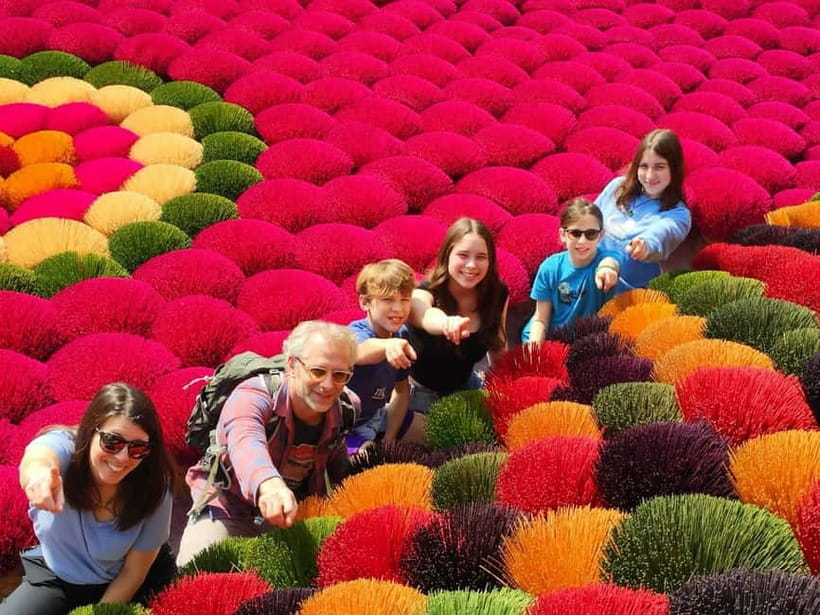
Once you arrive at the Perfume Pagoda area, you have a choice: take the cable car or hike up to the main complex. The cable car option is a big win if you want to enjoy the day without burning all your energy on the climb. The hike option can be great if you like moving and don’t mind stairs and uneven paths.
Here’s the catch you should plan for: the tour includes entrance fees and the boat ride, but the round-trip cable car ticket is not included. That means your final total cost is slightly higher once you add that transport piece.
Also, wear shoes you actually trust on stone and steps. This is one of those places where comfortable footwear isn’t a suggestion—it’s the difference between enjoying the route and counting the minutes until you sit down.
Thien Tru Pagoda and the Huong Tich Cave pilgrimage feel
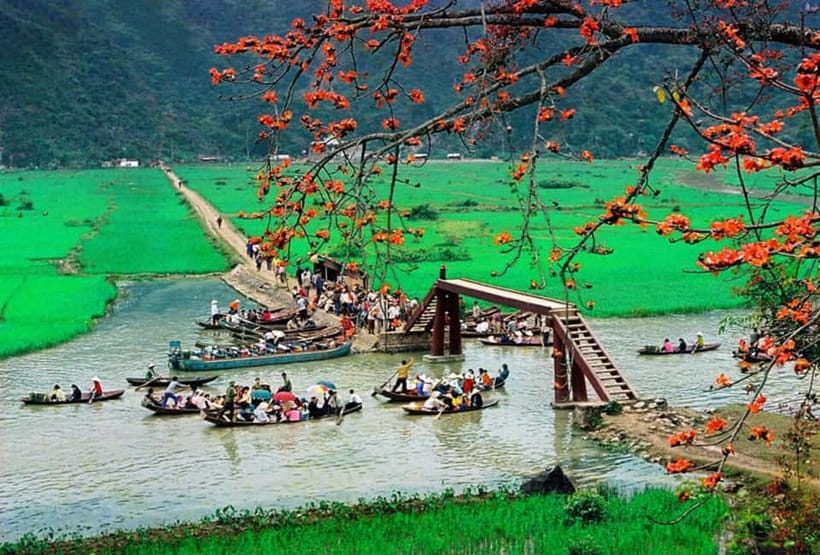
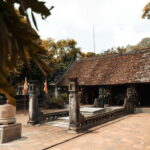
At the main temple complex, you’ll explore Thien Tru Pagoda and continue toward Huong Tich Cave. This cave area is considered one of the most important pilgrimage sites for Vietnamese Buddhists, so it’s not just a “see and leave” attraction. You’ll experience the site through the lens of a working religious tradition.
What I like about including Thien Tru Pagoda first is that it helps you orient. You see the temple elements, the way people move, and the overall sacred atmosphere before you head into the cave setting. It’s easier to understand what you’re looking at when you’ve already established the spiritual rhythm of the day.
For Huong Tich Cave, expect a strong sense of pilgrimage. Depending on the day and timing, you may find it calmer or busier, but the key idea stays the same: this is a place people come to worship and reflect. Keep your voice low, give space to worshippers, and let the setting do its job.
And yes, you’ll probably want photos. Just remember: inside sacred areas, the best shots come from patience, not from rushing. If you get pushed by momentum, step aside and let the flow pass.
Quang Phu Cau incense village: colorful photos, but manage expectations
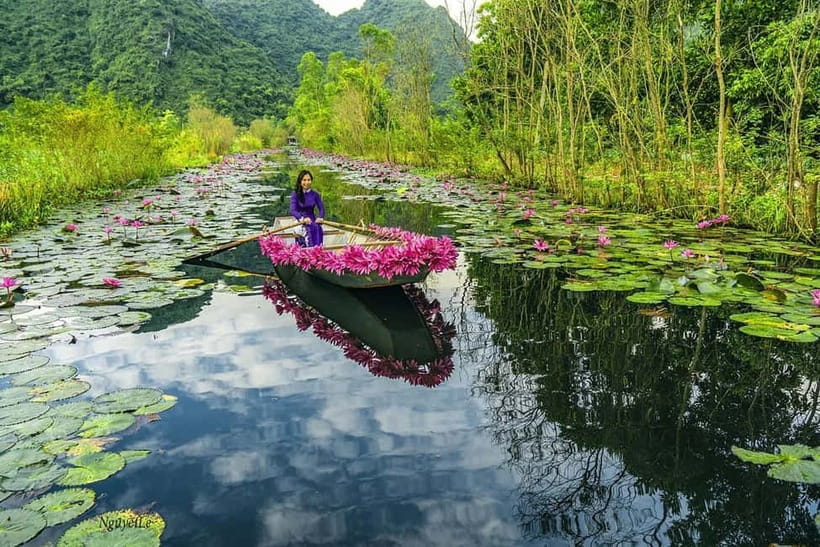
After lunch, the trip shifts from temple spirituality to craft culture at Quang Phu Cau Incense Village, located just outside Hanoi. This part is famous for the visual. You’ll see thousands of brightly colored incense sticks dried in the sun, creating a very photogenic scene.
Here’s the most useful way to think about it: the incense village can be a great stop for photos and a quick look at how incense becomes a product. But it’s not always an all-day, museum-style deep dive into every step of the craft. Some people end up feeling it’s more of a photo stop, while others enjoy the chance to meet artisans and watch traditional incense making.
You should also know this area can feel seasonal. On some days, the number of shops and the overall vibe may feel slower. That doesn’t mean the trip is bad—it just means you’ll want your expectations to match the reality: you’re going to see incense production and a strong visual backdrop, not a huge entertainment district.
My practical advice: if you care most about the temples and cave, treat the incense village as a bonus. If you care specifically about traditional craft processes, take the time to watch the artisans and ask questions. That’s where this stop earns its place on the itinerary.
Incense making: what to watch for when you meet the artisans
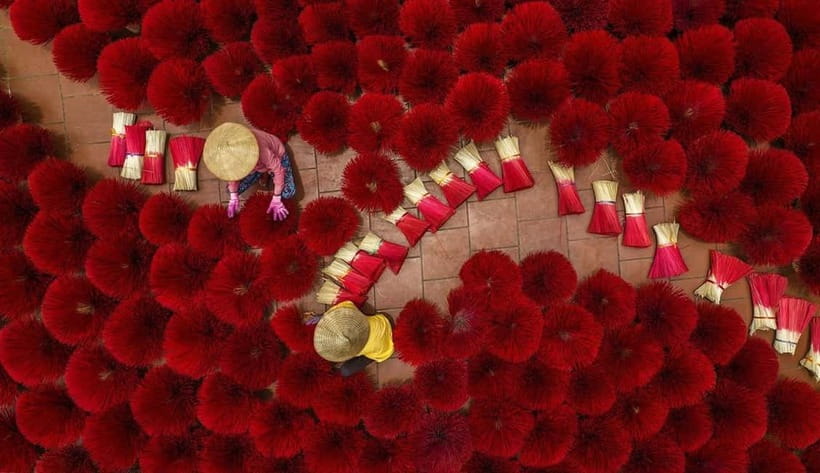
The incense village visit includes seeing how traditional incense is made by local artisans. This is the heart of the experience, because it turns the colorful sticks into a story you can actually understand.
When you’re there, focus on the human steps:
- how materials are prepared for incense sticks
- how sticks are formed and handled
- how batches are dried in the sun
The biggest win is watching the workflow with your own eyes. Photos show the final result, but the live process is what makes the craft feel real.
Bring your camera, yes—but also bring your curiosity. Ask simple questions. Where the ingredients come from. How long drying takes. How they keep consistency across batches. If you’re with an English-speaking guide, they can help you frame questions.
Lunch and late-afternoon return: the private timing advantage
You’ll have a Vietnamese lunch at a local restaurant during the middle of the day. I like this pacing because it keeps you from doing temples hungry and keeps the energy level steady for the drive back.
The day ends with a late-afternoon return to Hanoi. That’s a meaningful detail. Perfume Pagoda days can be tiring; having a plan that gets you home before it turns into a full evening commute makes a big difference in how you feel about the trip overall.
A private tour also means the timing can be less stressful. You’re not stuck with a rigid group schedule that forces you to arrive at the same moment as everyone else. You still have to respect sacred sites and real travel time, but you’re less likely to feel dragged.
Price and value: is $126 per person fair for this day?
At $126 per person, this trip sits in the mid-range for private day tours from Hanoi. Whether it feels like a bargain or a splurge depends on what you value.
Here’s what you’re getting that helps justify the cost:
- Private air-conditioned transportation
- English-speaking guide (with surcharges for other languages)
- Boat trip on the Yen River
- Entrance fees to all sites
- Vietnamese lunch at a local restaurant
- Bottled water
Those items add up quickly if you were trying to piece them together yourself. The guide and the bundled site access are the big time-savers. Plus, the route includes two distinct experiences—Perfume Pagoda with its cave pilgrimage setting, then Quang Phu Cau with incense craft—without you having to coordinate between different operators.
Where the cost can quietly rise:
- the round-trip cable car ticket is not included
- holiday periods can involve holiday surcharges
- you might also pay more if your guide language isn’t English
So I’d call the value good if you want a smooth one-day plan, minimal decision-making, and an English guide to help you interpret the sites. If you’re very cost-sensitive, you’ll want to compare what you get for the extra private expense—especially since the incense village portion may feel lighter than the photos suggest.
Who should book this trip, and who should skip the incense stop
This is a strong fit if you:
- like pairing a scenic river experience with major religious sights
- want an English-speaking guide to explain what you’re seeing
- enjoy photography, especially the incense-stick drying scenes
- prefer private timing and air-conditioned comfort for the road segments
It may be less ideal if you:
- only want Perfume Pagoda and would rather minimize extra stops
- expect the incense village to be a long, in-depth craft workshop
- travel on major holidays when availability and surcharges can change the feel of the day
If Quang Phu Cau is your must-see, make sure you’re clear it’s included for your exact date. On some schedules, the incense stop may be reduced or handled differently. Your best move is to confirm before you go so there are no surprises mid-day.
Small packing list that actually matters
You’ll thank yourself for bringing:
- comfortable shoes (for temple steps and cave-area walking)
- camera (you’ll want it for both karst views and incense sticks)
- sunscreen (sun shows up fast around outdoor areas)
- water (especially before you start walking hard)
Also, consider sunglasses and a light layer. Even in cooler seasons, you can get sun during the incense village time, and the temple route can involve shifting light under stone and trees.
Should you book this Perfume Pagoda & Quang Phu Cau day trip?
I think you should book if you want a well-paced, privately guided day that covers the core Perfume Pagoda experience—Yen River boat, Thien Tru Pagoda, and Huong Tich Cave—and you’re happy to treat Quang Phu Cau Incense Village as a photo-and-craft add-on. The guide component (English-speaking, and often helpful like Lan) and the bundled transport make it easy to enjoy without logistics headaches.
Hold off or ask extra questions first if incense making is supposed to be the main event for you. That part can feel more like a short visit than a deep workshop, and the cable car ticket plus holiday surcharges can change your final spend.
If your goal is a smooth, meaningful day that mixes pilgrimage and traditional craft, this trip is a good choice. Just go in with realistic expectations for the incense village segment, and you’ll have a day that feels like Northern Vietnam in two different moods.
FAQ
What’s included in the Perfume Pagoda & Quang Phu Cau trip?
The tour includes private air-conditioned transportation, an English-speaking guide, a boat trip on the Yen River, entrance fees to all sites, Vietnamese lunch at a local restaurant, and bottled water.
Is the cable car ticket included?
No. The round-trip cable car ticket is not included.
What language options are available for the guide?
English is available, and other languages are offered with a surcharge depending on the language guide.
Do I have to take the cable car?
Not necessarily. The experience includes the option to take the cable car or hike up to the main temple complex.
When do we visit Quang Phu Cau Incense Village?
You visit Quang Phu Cau Incense Village after lunch in the middle of the day, and then you return to Hanoi in the late afternoon.
What should I bring for the day trip?
Bring comfortable shoes, a camera, sunscreen, and water.