REVIEW · HOI AN
Discover Traditional Silk Process in Hoi An Silk Village
Book on GetYourGuide →Operated by Viet Nam Happy Travel · Bookable on GetYourGuide
Silk starts with a tiny worm. In Hoi An, this tour turns a simple story into something you can actually see, with mulberry garden details and a silk weaving demo that makes the whole process click. You’ll walk through the traditional steps of sericulture, then finish with practical guidance on what counts as pure silk.
Two things I really liked: the walk-through of mulberry growing and silkworm care, and the hands-on feeling of how cocoon silk becomes thread for weaving. One consideration: you need to travel light, because no large bags are allowed in the stop areas.
In This Review
- Key highlights you’ll care about
- A 50-Minute Silk Lesson in Hoi An’s Craft World
- Quang Nam Traditional House: Where the Craft Story Starts
- Mulberry Gardens and the Silkworm-Breeding House
- Unraveling House: From Cocoon to Silk Thread
- Weaving, Craft Sericulture, and the Champa–Dai Viet Connection
- Pure Silk vs Fake Silk: Using the Exhibit Before You Shop
- Shopping and Tailoring Tips That Keep You From Wasting Money
- Practicalities: Where the Tour Meets and What to Wear
- Who This Tour Is Best For (and Who Should Skip It)
- Should You Book the Traditional Silk Process in Hoi An?
- FAQ
- How long is the Traditional Silk Process tour?
- How much does the tour cost?
- Where do I meet for the tour?
- What is included in the price?
- Is hotel pick-up or drop-off included?
- Is a meal included?
- What should I wear or bring?
- Are large bags allowed?
- Does the tour explain pure silk versus fake silk?
Key highlights you’ll care about
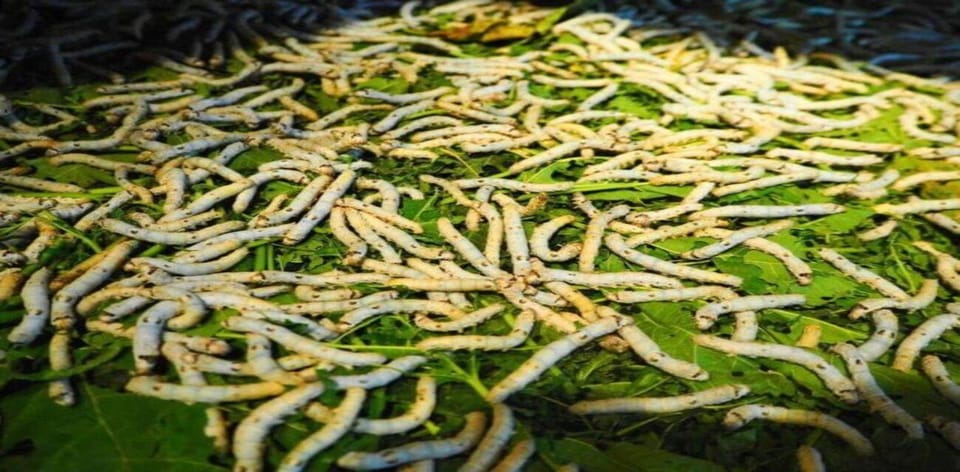
- Mulberry genetics and Champa–Dai Viet craft methods: you’ll hear why this silk tradition matters in Central Vietnam.
- Cocoon-to-thread explanation: learn how silk thread is made so weaving makes sense.
- Silkworm breeding house visit: see how feeding and cocoon care fits the workflow.
- Quang Nam weaving factory story: connects the craft to mulberry cultivation and local history.
- Pure silk vs fake silk exhibit: shop smarter after you understand the differences.
- Small-space pacing: some rooms are tight, so the tour keeps moving and stays focused.
A 50-Minute Silk Lesson in Hoi An’s Craft World
Hoi An has plenty of shops selling silk. This tour is different because it shows you how silk is produced first. The full visit runs about 50 minutes, which is just enough time to get the idea without eating half your day.
For $11 per person, you also get an English-speaking guide, the entrance fee, and a bottle of water. That matters because silk can feel confusing when you’re only seeing finished products. Here, you get the steps and the vocabulary to sort out what you’re looking at.
You’ll start with a welcome drink, then move through the main craft stops: Quang Nam story house, mulberry garden and silkworm breeding, a cocoon unraveling area, and a finishing exhibit on pure vs fake silk. It’s efficient, and for a lot of people that’s the win.
You can also read our reviews of more tours and experiences in Hoi An.


Quang Nam Traditional House: Where the Craft Story Starts
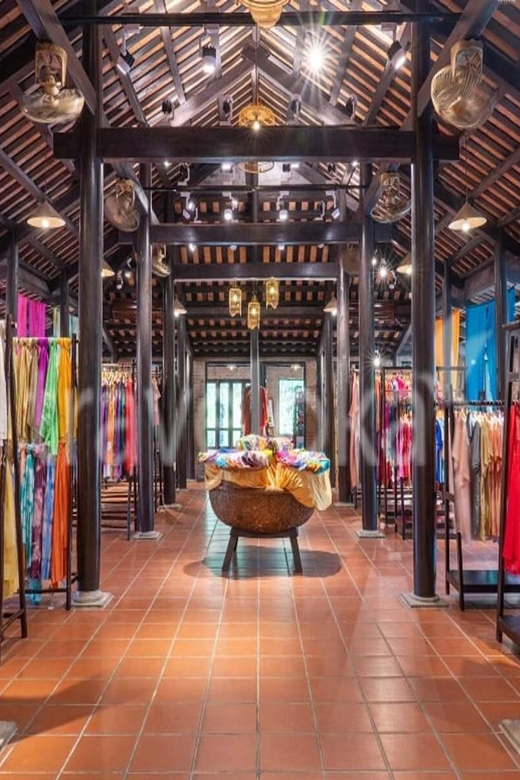
The tour begins by linking silk to the people and farming that power it. You’ll visit a traditional house in Quang Nam and listen to how sericulture ties back to mulberry growing. It’s not just a lecture. You’re setting context for what you’ll see later, especially the role of the mulberry plant.
I like this opening because it helps you read the rest of the tour with less guesswork. When you understand why mulberry is central, the silkworm portion feels logical instead of random. The tour is also designed to explain the workflow in order, so you’re not jumping between ideas.
One practical note: timing can feel a bit variable depending on what’s happening around the craft space. The important thing is to keep your expectations flexible. This is a craft demonstration environment, not a timed theater show.
Mulberry Gardens and the Silkworm-Breeding House
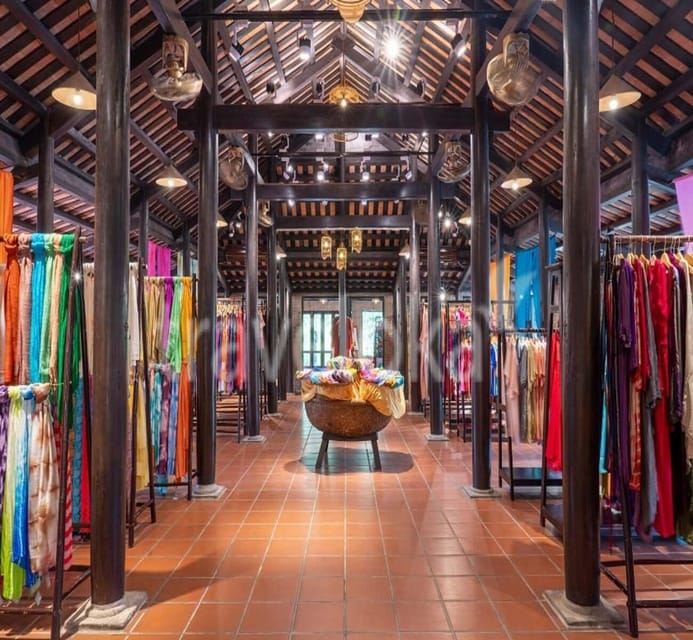
The heart of the experience is the mulberry garden and silkworm-breeding house. This is where you’ll learn why mulberry leaves are the core food source and how silkworm care fits into the broader silk cycle.
You’ll see workers dealing with the daily steps of breeding and feeding, and you’ll get an explanation of how cocoons form as part of the process. The tour also describes traditional methods for cultivating and removing silkworm cocoons, which is key to understanding how raw silk becomes usable thread.
What I find especially useful here is the cause-and-effect. You don’t just see a silkworm. You learn what actions lead toward cocoon production, and why the cocoon phase is so important. Once you know that, later parts of the tour about unraveling and spinning make a lot more sense.
If you’re squeamish, keep this in mind: you may see cocoons and hear that the process involves taking silk from cocoons. One detail from an earlier visitor experience sticks with me as a reality check: the silkworm does not survive the cocoon stage extraction. It’s presented as part of the traditional craft, but it’s still worth knowing going in.
Unraveling House: From Cocoon to Silk Thread
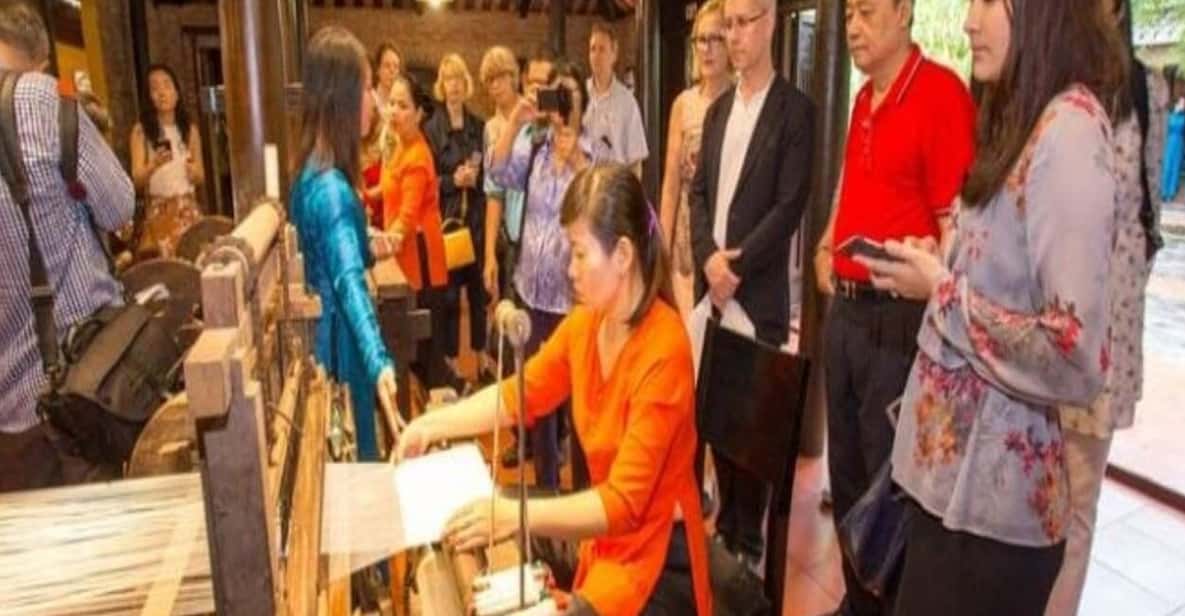
Then comes the part that turns this from a nice story into real understanding. In the Unraveling House, you’ll learn how silk thread is gotten from the cocoon so it can be used for weaving fabric.
This stop is valuable because it connects everything. Before this, you’ve watched mulberry growing and silkworm care. After this, you’re not imagining the rest. You can see how the “raw” stage becomes something you can spin, weave, and turn into cloth.
You’ll also get demonstrations related to the fiber work—how silk is handled to become thread. If you’ve ever wondered why silk looks so smooth and strong compared to other fibers, this is where you get the basic mechanics explained.
The speed here is deliberate. With only about 50 minutes total, the tour focuses on the most logical moments in the chain. You’ll leave knowing the process order: plant → worm → cocoon → thread → fabric.
Weaving, Craft Sericulture, and the Champa–Dai Viet Connection
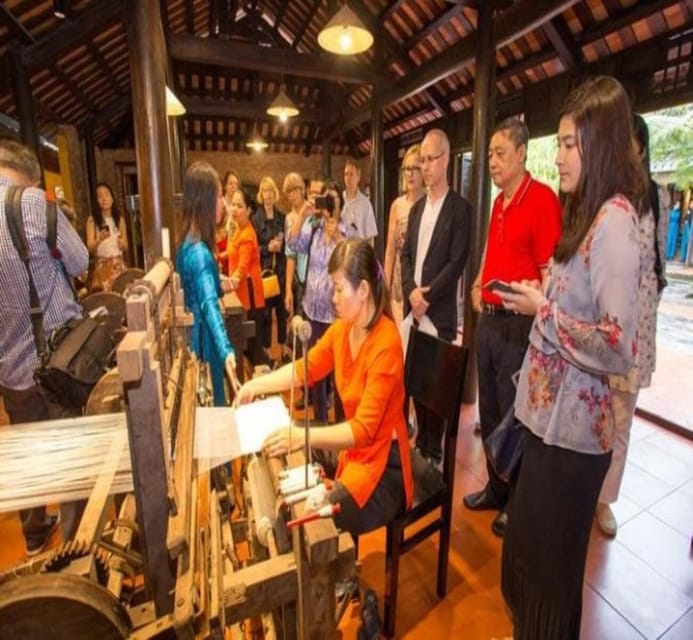
Hoi An’s silk reputation is big. What this experience adds is a craft timeline and a cultural link. The tour describes how the handmade silk-weaving method has been preserved from the Champa – Dai Viet era, and it highlights how the area holds valuable genetic sources of mulberry.
That might sound like a museum label, but it’s more practical than you’d think. If a place is preserving specific cultivation and weaving methods, it’s likely keeping a more traditional approach to how cloth is made. Even if you never buy anything, understanding this helps you separate authentic craft from generic souvenirs.
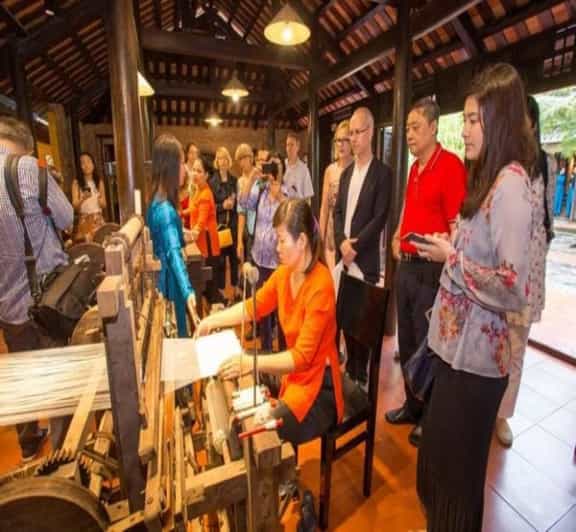
During the tour, you’ll also see workers weaving silk into beautiful fabrics. This is where the tour stops being purely educational and becomes visual. Watching fabric form from thread makes you notice details in patterns and finishing that you’d otherwise miss.
Some visitors also enjoy learning how different silk forms work, and you may see demonstrations related to spinning and weaving fibers. If you ask questions, you’ll usually get patient explanations—there’s time carved out for that, since the guide is there to make the process understandable.




Pure Silk vs Fake Silk: Using the Exhibit Before You Shop
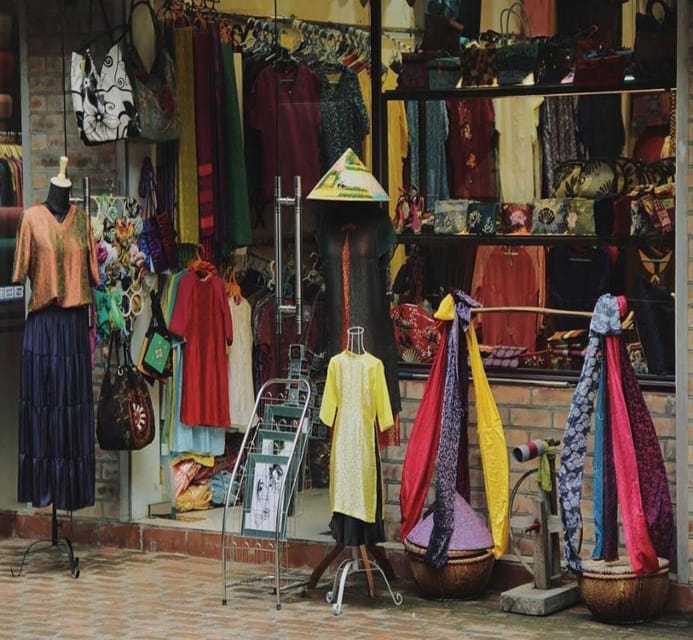
At the end, you’ll visit an exhibition focused on the difference between pure silk and fake silk fabric. This is a smart finishing move. Most people wait until the last day to shop, then only have guesswork left. This tour gives you a chance to learn the basics first, then shop with your eyes open.
This doesn’t mean you’ll suddenly become a lab tech. But it does mean you’ll start noticing what to look for and why some products feel more authentic once you understand how silk fibers are made.
One practical shopping takeaway from the experience: the shop is where you can buy silk products right after learning. Many people end up purchasing because they finally recognize quality cues, especially when the tour connects fabric to process.
That said, not every shopping moment will feel perfect. One earlier visitor was not impressed with the variety of prints offered and said the color combinations felt messy with few choices. The practical fix is simple: if you care about style, be prepared that you might need to look carefully or consider tailoring based on what’s in stock rather than expecting endless options.
Shopping and Tailoring Tips That Keep You From Wasting Money
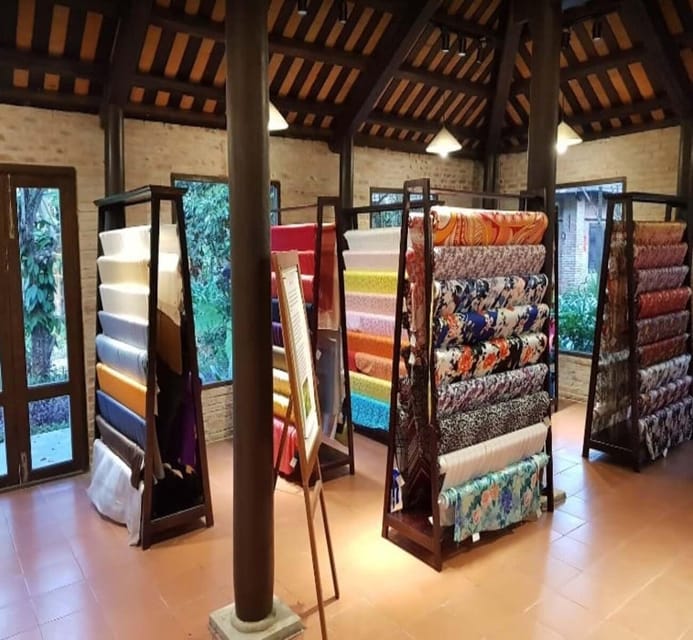
If you’re considering a silk shirt or a made-to-measure item in Hoi An, this tour helps you shop with a plan. Even in 50 minutes, you can leave with enough understanding to compare what you see across storefronts.
Here’s how I’d use the knowledge from the pure silk exhibit:
- Focus on how the fabric feels and looks compared to other options you see later in town.
- Ask questions about how the product is made, not just what the label says.
- If you want gifts, decide early whether you’re buying finished cloth or investing in something tailored.
Also, this is not just a passive tour. You’ll see working silk production and understand the cocoon-to-thread step, so you’ll be able to connect what you’re buying to the craft you learned. That can make the shopping feel less like a gamble.
If you’re the type who waits until the end of your trip, this is one of the better times to do your silk education. Do it earlier, then you’ll have more time to compare. If your silk-buying budget is tight, even learning the pure-vs-fake basics can prevent an expensive mistake.
Practicalities: Where the Tour Meets and What to Wear
The meeting point is 28 Nguyen Tat Thanh, Hoi An, Quang Nam, Viet Nam. You’ll want to check in at reception with your name to confirm booking.
This tour is designed for easy walking between craft areas. Wear comfortable clothes and comfortable shoes. The experience includes indoor stops, and some areas are limited in space, so you’ll likely be moving without long breaks.
A couple rules are worth planning around:
- No luggage or large bags are allowed.
- The tour is not suitable for people with mobility impairments or wheelchair users.
If you’re sensitive to tight indoor spaces, go in with a calm mindset. The pacing is quick by design, and the route keeps you from getting stuck in one room too long.
Who This Tour Is Best For (and Who Should Skip It)
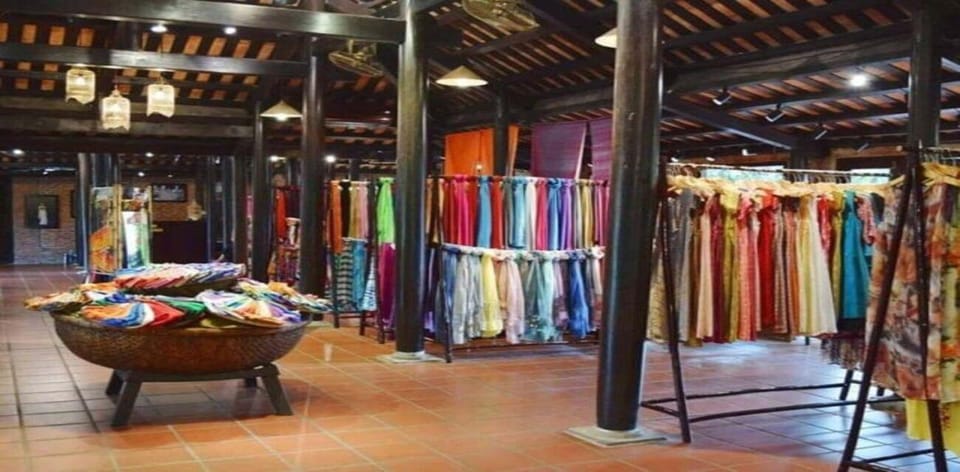
This is a great fit if you want a real process lesson, not just a quick photo stop. If you like craft work, farming-to-fabric connections, or you’re planning to buy silk in Hoi An, you’ll get value quickly.
You’ll also enjoy it if you ask questions. The guide support is a big part of the experience, and English explanations are part of what you’re paying for. Some guides you may encounter, such as Thu or Tsu, have been noted for clear English and friendly teaching style.
Skip it if you mainly want a relaxing stroll with lots of free time. This is structured and focused. It’s also not an action adventure. Think more learning and observing than hands-on making your own cloth.
Also, if shopping options are critical for you, keep your expectations realistic. Some people love the quality of silk shirts after the demo, while others wish the print variety were broader. You can still come away satisfied, but it helps to know what matters most to you.
Should You Book the Traditional Silk Process in Hoi An?
If you’re even slightly interested in silk, I’d book it. This one gives you the real sequence behind the product, including mulberry cultivation, silkworm cocoon handling, and the cocoon-to-thread step. That knowledge makes shopping and tailoring decisions in Hoi An feel far less confusing.
It’s also good value for the time. At $11 for 50 minutes, you’re paying for a guide-led explanation plus entry. You’re not paying for a slow museum experience that eats your day.
My only caution is the light-packing and space reality. If you need accessibility-friendly routes or you travel with bulky bags, this may not be the best match. If that’s not you, this is an efficient, craft-focused stop that helps you see Hoi An silk with better eyes.
FAQ
How long is the Traditional Silk Process tour?
The tour duration is 50 minutes.
How much does the tour cost?
The price is $11 per person.
Where do I meet for the tour?
Meet at 28 Nguyen Tat Thanh, Hoi An, Quang Nam, Viet Nam.
What is included in the price?
The tour includes an English-speaking guide, the entrance fee, and a bottle of water.
Is hotel pick-up or drop-off included?
No. Hotel pick up and drop off are not included.
Is a meal included?
No meal is included.
What should I wear or bring?
Wear comfortable shoes and comfortable clothes.
Are large bags allowed?
No. Luggage or large bags are not allowed.
Does the tour explain pure silk versus fake silk?
Yes. The Hoi An Silk Village exhibition explains the difference between pure silk and fake silk fabric.