REVIEW · SOUTHERN VIETNAM
Explore The Most Tourist Attractions In Ho Chi Minh City
Book on GetYourGuide →Operated by Asia Tour · Bookable on GetYourGuide
A day in Saigon feels like a crash course, without rushing. You’ll move by AC car through major landmarks like Independence Palace and the War Remnants Museum, then cap it with a scenic Saigon Water Bus ride. I love how this tour mixes big, famous sights with hands-on moments in markets and temples, so you see how people live, pray, and remember all in one afternoon-to-evening flow.
Two things I especially like: the way War Remnants Museum keeps the focus on what the war meant for Vietnamese families, and the fact that the day includes both Ben Thanh area shopping energy and a real stop for Jade Emperor Pagoda-style worship. The main consideration is that pickup details can matter—one traveler said the pickup point wasn’t clear, so double-check your meeting instructions and be ready a little early.
Finally, the itinerary is tightly packed for 4–8 hours. If you hate heat, crowds, or photo stops with constant walking, you’ll want to pace yourself and carry water.
In This Review
- Key highlights at a glance
- How the car-and-water-bus format changes your day
- Independence Palace: where architecture meets political memory
- War Remnants Museum: emotional exhibits you should pace
- Notre Dame Cathedral and Central Post Office: French colonial design with purpose
- Ben Thanh Market: the simplest way to feel Saigon street life
- Jade Emperor Pagoda: worship culture in full view
- Cho Lon (Binh Tay Market) and Thien Hau Pagoda in Chinatown
- Bach Dang Wharf and the Saigon Water Bus: a calmer way to see the city
- Price and value: is $30 a smart deal?
- Pickup tips and how to avoid a rough start
- Who this tour is best for
- Should you book this Ho Chi Minh City highlights tour?
- FAQ
- How long is the tour?
- What does the $30 per person price include?
- Does the tour include a boat ride?
- Does the itinerary include Ben Thanh Market and Jade Emperor Pagoda?
- Are there any extra fees I should watch for?
- Is lunch included?
- What’s the cancellation and payment flexibility?
Key highlights at a glance
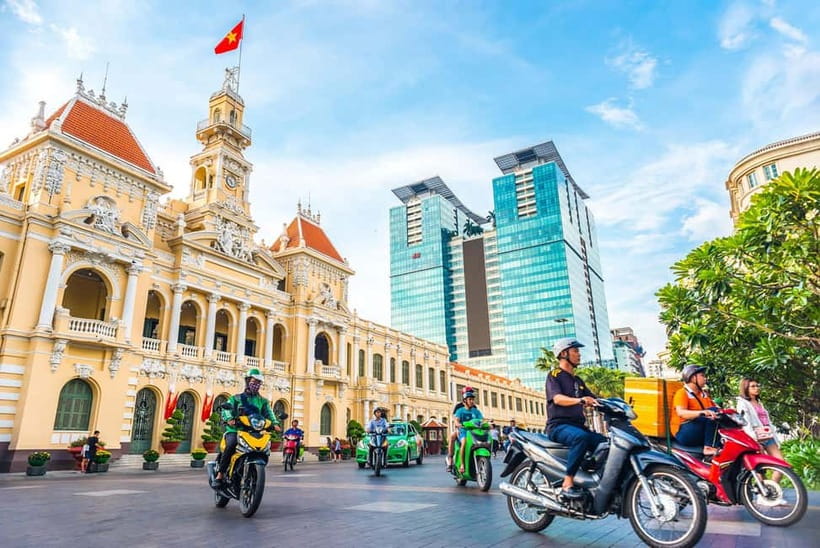
- Independence Palace (Reunification Palace): French-influenced rooms and secret spaces tied to modern Vietnamese history
- War Remnants Museum: powerful exhibits centered on the pain and loss of war
- Saigon Central Post Office: ornate French colonial design credited to Gustave Eiffel
- Ben Thanh Market: a straightforward way to feel the energy of a classic local market
- Jade Emperor Pagoda: a serious cultural moment with Asian worship traditions
- Saigon Water Bus from Bach Dang Wharf: a calmer view of the city from the river
How the car-and-water-bus format changes your day
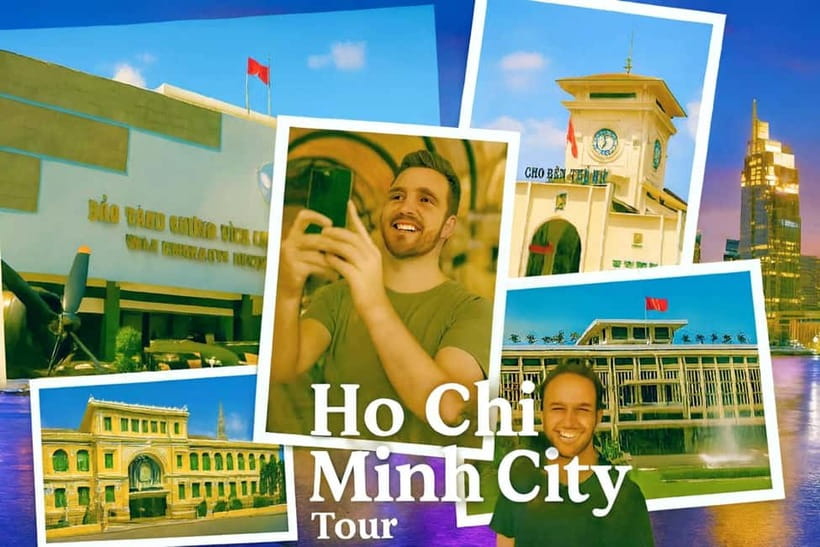
This is one of the better formats for a first-time visit, because it reduces decision fatigue. You don’t have to figure out which sites connect well by traffic or where to board a boat afterward. A guide keeps the pace, and you get AC transport between stops.
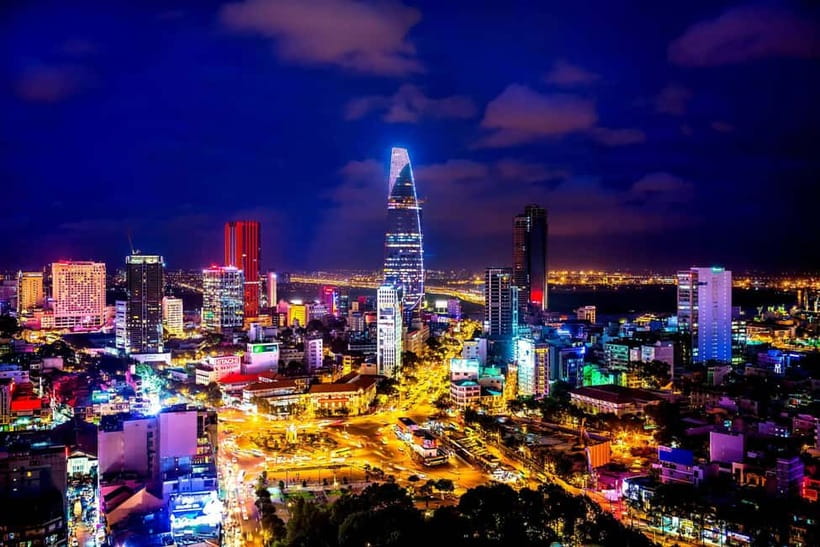
The second smart choice is mixing land sights with a river segment. When you ride the Saigon Water Bus from Bach Dang Wharf, you get a break from the city noise and traffic stress. You pass major landmarks along the river corridor, including Landmark 81 and Thu Thiem Bridge, and the view angle helps everything feel more connected.
One trade-off: the day depends on the flow between locations, so you’ll do a lot of moving in a single window. If your idea of travel is slow wandering, you’ll need to treat this as a greatest-hits day, not a long exploration day.
Independence Palace: where architecture meets political memory
The tour starts (morning) at Independence Palace, also known as Reunification Palace. This stop works on two levels. First, you get the look of the place—grand halls, French-influenced design, and the kind of interior detail that feels preserved rather than staged. Second, you get the story—this was a symbol tied to Vietnam’s past and resilience.
What I find useful for planning is how the visit is framed: you’re not just ticking a building off a list. You walk through important spaces where Vietnam’s leaders once worked, including areas described as secret chambers. That context helps the place make sense rather than feel like a random museum-like site.
If you care about history but don’t want a full-day lecture, this is a good anchor. You’ll likely leave with clearer mental images of how Saigon fit into Vietnam’s modern timeline.
Practical note: plan to dress for heat and have sunscreen ready. Even if you’re inside part of the time, you’ll still move outdoors between areas and photo points.
War Remnants Museum: emotional exhibits you should pace
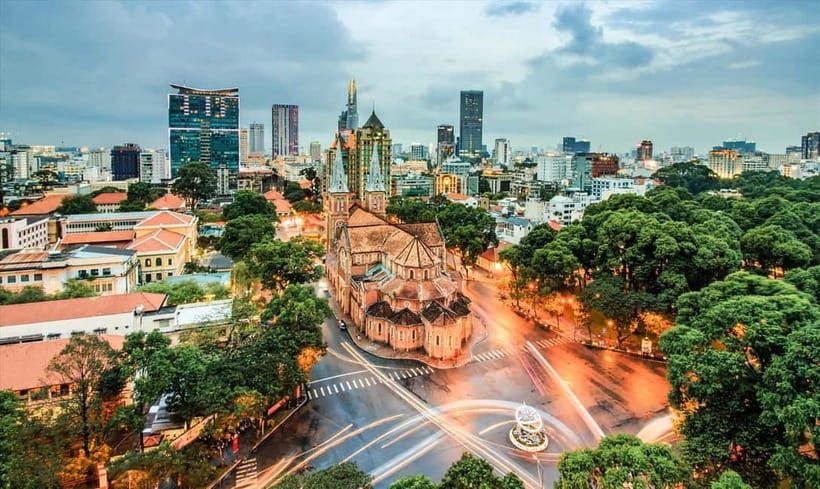
Next up is the War Remnants Museum. This is the part of the day that can hit hardest. The exhibits, historic photographs, and authentic wartime artifacts are designed to communicate the struggles, pain, and courage of Vietnamese people during periods of conflict.
For me, the value here is tone. The museum isn’t trying to make war feel like trivia. It pushes you to slow down and look. Some of the content can be heavy, so it’s smart to give yourself permission to step back, take breaks, and not rush through every room just to finish on time.
A tour guide helps a lot at stops like this because they can point out what to look for and what details matter most. The good news: at least one praised guide experience included easy explanations and a friendly approach even in hot weather, which makes it more manageable to process what you’re seeing.
Notre Dame Cathedral and Central Post Office: French colonial design with purpose
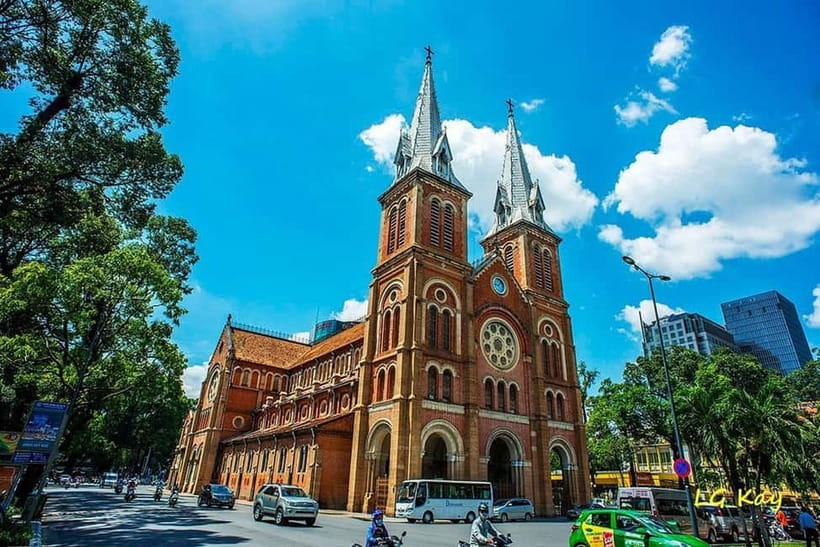
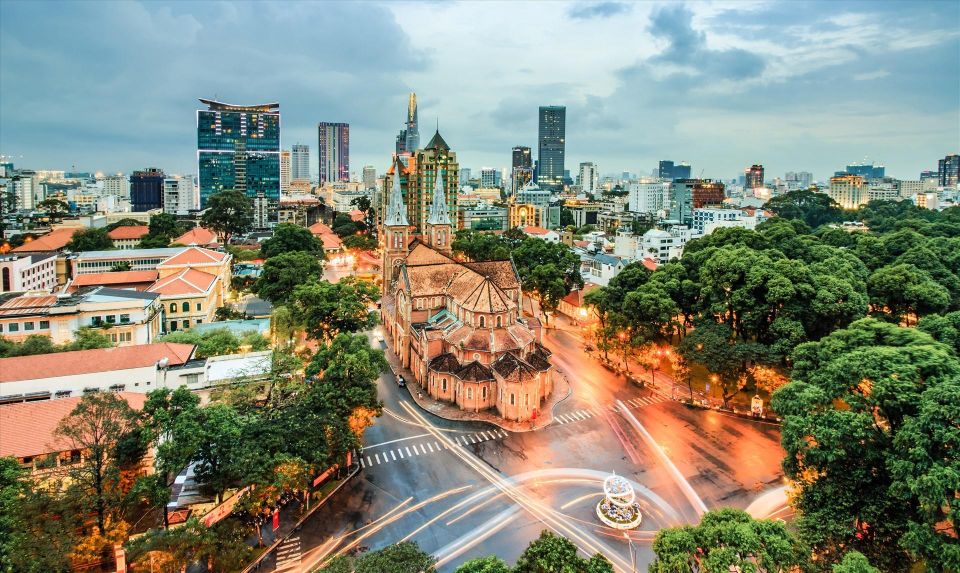
After the museum, you head toward two iconic French-influenced landmarks: Saigon Notre Dame Cathedral and the Central Post Office.
Saigon Notre Dame Cathedral (also called the Cathedral of the Virgin Mary) is famous for being loved by locals and also for wedding-photo moments. You’ll see it as a living city landmark, not just a backdrop. Even if you only spend part of your time here, it’s a useful pause between intense history and the busier market and temple stops later.
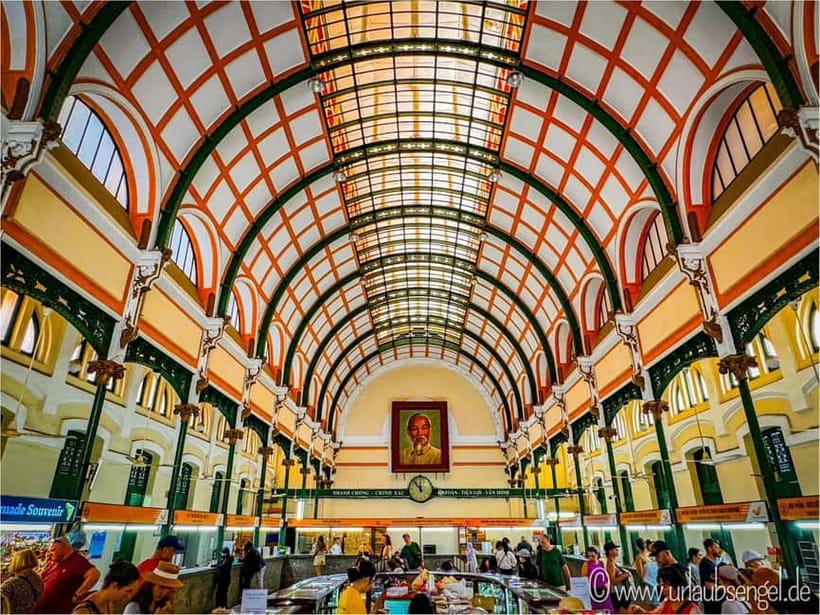
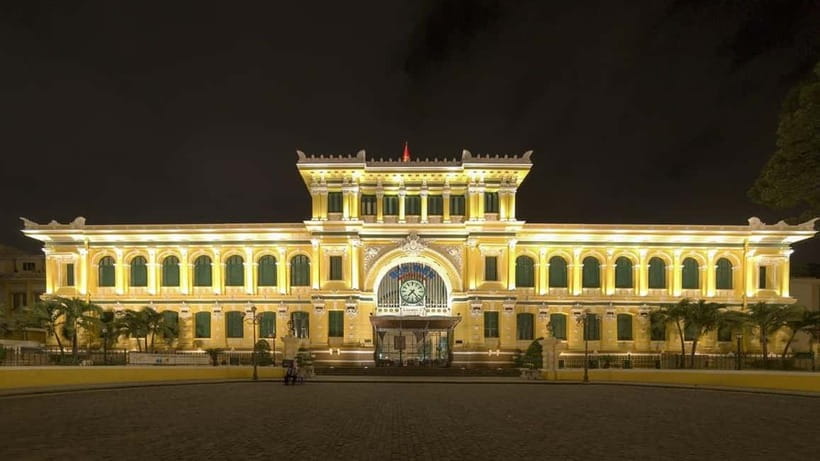
Then you move to the Central Post Office, designed by Gustave Eiffel. This is one of those places where the interior details feel like they were built for both function and display—ornate French colonial architecture, plus patterns and structure that make the building easy to notice even when you’re not hunting for them.
Why this matters for you: many “big landmark” tours stop at photos only. Here, the post office is more than a quick picture. It gives you a sense of how colonial-era infrastructure became part of the everyday city.
Ben Thanh Market: the simplest way to feel Saigon street life
Ben Thanh market is one of the easiest ways to get your bearings. The highlight is the bustle of the local market—the movement, the bargaining energy, the busy mix of locals and shoppers, and the overall sensory overload in a good way.
This kind of stop is valuable because it tells you how the city runs on daily habits. Even if you’re not buying much, you’ll learn what you like, what prices feel like, and what products are easiest to spot. It also makes the rest of the day feel more grounded. You’re not only seeing formal monuments; you’re seeing how people actually spend time.
My suggestion: treat it like a visit, not a shopping mission. Set a small goal for yourself—maybe one snack or one item you can bring home—then enjoy just watching.
Jade Emperor Pagoda: worship culture in full view
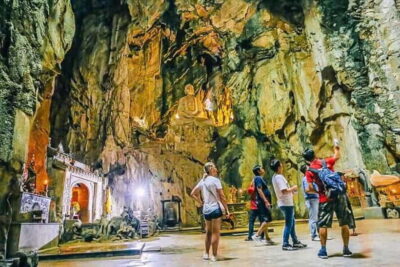
Another highlight is the Jade Emperor Pagoda, described as a place to explore true Asian worship culture. This is the kind of site that can feel very meaningful even if you don’t know every ritual term, because the atmosphere does a lot of the teaching: incense, people praying, and the visible devotion that locals practice regularly.
If you’re the type who likes learning through observation, this stop works well. The day already has big history and big architecture; a temple visit brings the spiritual side of Saigon into the same frame.
A practical tip for comfort: keep your clothing respectful and plan for incense-filled spaces. You’ll be inside and around other visitors, so you may want to keep your phone at ready but avoid blocking people.
Cho Lon (Binh Tay Market) and Thien Hau Pagoda in Chinatown
In the afternoon, you shift into Cho Lon (Binh Tay Market), located in the Chinatown area around Districts 5 and 6. This is a wholesale market, and that changes the vibe from a typical tourist market. Stalls feel more purposeful. The traffic of goods and shoppers is part of what you’re seeing.
Next is Thien Hau Pagoda, one of the oldest and most sacred temples in Chinatown. It’s dedicated to the Goddess of the Sea, and it’s presented as a spiritual haven where locals come for peace, luck, and prosperity. The key detail here is not just the architecture, but the use of the space—its incense-filled halls and the daily religious flow.
What I like about pairing these two stops: you see the city’s two main “systems” operating side by side. Market life is practical and energetic. Temple life is structured around belief and community needs. Together, they help you understand Chinatown as more than a place to eat.
Bach Dang Wharf and the Saigon Water Bus: a calmer way to see the city
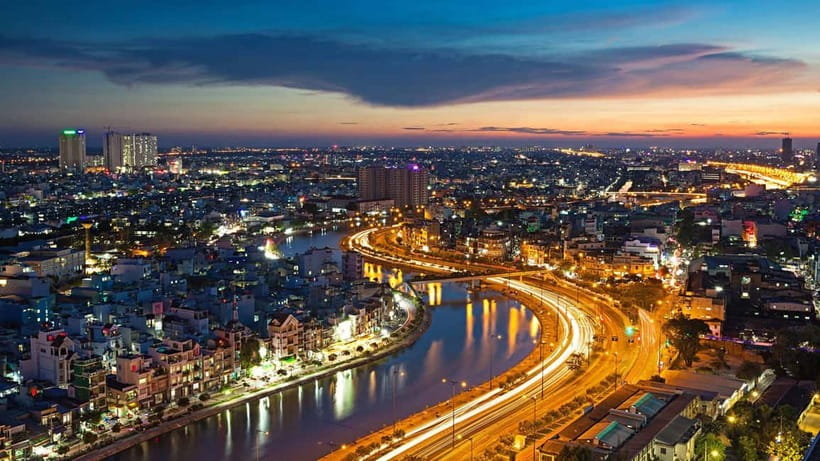
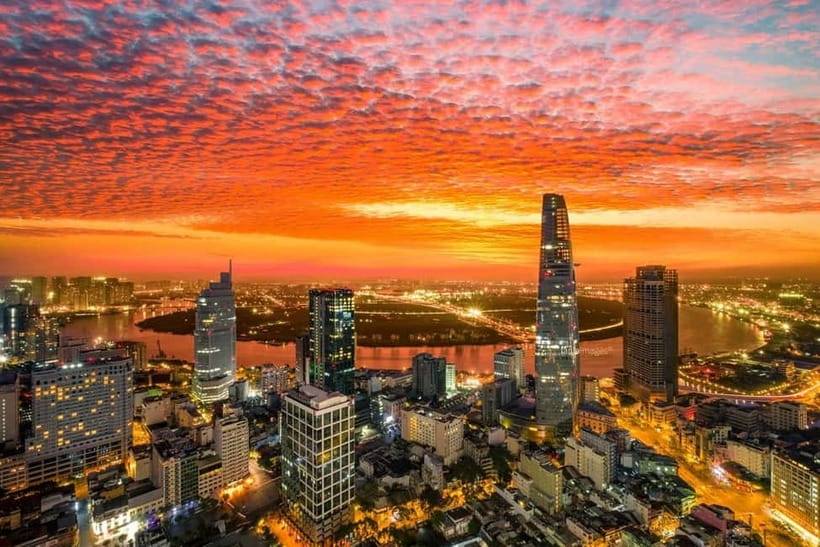
The finale is at Bach Dang Wharf, where you board the Saigon Water Bus. This part is often the most relaxing piece of the day because you shift from walking and traffic stops to gliding along the river.
You’ll see the city from a new angle, including modern highlights like Landmark 81 and Thu Thiem Bridge, but also the in-between areas that most street-level photos never capture. For first-timers, this river segment is a smart “mental reset.” It gives you better perspective on distances and how different districts relate.
If you’re traveling during hot hours, this can also be a welcome break. Just dress light, but don’t forget sun protection—river time still means exposure.
Price and value: is $30 a smart deal?
This tour is listed around $30 per person, lasting roughly 4–8 hours. At that price range, the biggest value drivers are what’s included: pick up and drop off in central Saigon, an English-speaking tour guide, AC car transfers, entrance fees, bottled water, and optional lunch.
That package matters because these are the costs that add up when you plan alone. Entrance tickets, local transport, and guide time can quickly exceed a simple ticket price.
Two extra cost signals you should know:
- There’s a 30% total price surcharge on holidays in Vietnam, so your final bill can be higher depending on dates.
- If you choose a language other than English, there can be a surcharge.
One more value point: at least one traveler mentioned a guide named Anna was lovely, and others praised how the guide explained things easily and kept a friendly tone even in hot weather. A good guide can be the difference between seeing sites and actually understanding them.
Pickup tips and how to avoid a rough start
The only real operational pain point that shows up is confusion around pickup. One traveler wished the pickup point had been clearer at booking, and another noted you should pay attention to local holidays and surcharges.
So here’s how I’d protect your day:
- Confirm your exact pickup location before you leave the hotel.
- Be early enough that you’re not standing around in the heat.
- If your dates fall near a Vietnamese holiday, assume your final price may change due to the holiday surcharge.
If your hotel is in central Saigon, the pickup and drop-off plan should work smoothly. If you’re staying outside the center, ask how the pickup will be handled.
Who this tour is best for
I think this tour makes the most sense if:
- It’s your first time in Ho Chi Minh City and you want a high-impact outline day
- You like structured sightseeing with a guide doing the connecting
- You want both “big landmarks” and real local culture stops like Ben Thanh and the pagodas
- You’d enjoy finishing with a river ride instead of ending with more traffic
It may be less ideal if:
- You dislike crowded, fast-paced schedules
- You want long time at one museum or one neighborhood
- You strongly prefer to self-explore without set timing
Should you book this Ho Chi Minh City highlights tour?
I’d book it if your goal is a single-day overview that’s both emotional (War Remnants Museum), architectural (Central Post Office by Gustave Eiffel and the cathedral), and cultural (Ben Thanh, Jade Emperor Pagoda, Thien Hau Pagoda). The mix of AC comfort and the Saigon Water Bus finale makes it feel complete, not just monument-hopping.
I’d think twice if you’re date-flexible but traveling during a holiday, because the 30% holiday surcharge can change the math. Also, if you’re the kind of traveler who needs extremely clear meeting logistics, double-check the pickup point in advance so you’re not starting your day stressed.
Overall: this is a solid “greatest hits with context” tour. When the guide is on, the explanations and pace can turn a packed day into something that feels understandable.
FAQ
How long is the tour?
It runs for about 4 to 8 hours, depending on the starting time available.
What does the $30 per person price include?
The tour includes pickup and drop-off at the center of Saigon, a friendly professional guide, an English-speaking guide (with a surcharge for other languages), AC car transfer, entrance fees, bottled water on the car, and lunch is optional.
Does the tour include a boat ride?
Yes. You’ll end the day by boarding the Saigon Water Bus from Bach Dang Wharf.
Does the itinerary include Ben Thanh Market and Jade Emperor Pagoda?
Yes. Ben Thanh Market and Jade Emperor Pagoda are listed as key highlights of the experience.
Are there any extra fees I should watch for?
There can be a 30% total price surcharge on Vietnam holidays. There may also be a surcharge if you choose a language other than English.
Is lunch included?
Lunch is listed as optional, so you should expect it to depend on the specific option you choose.
What’s the cancellation and payment flexibility?
You can cancel up to 24 hours in advance for a full refund. You can also reserve and pay later to keep plans flexible.