REVIEW · DA NANG
Dalat City Tour With Local Students – Donation Based
Book on GetYourGuide →Operated by tripthruvn.com · Bookable on GetYourGuide
Four hours, meaningful Dalat, and real conversations. This student-led Dalat city tour is built around friendly university guides and a clear purpose: your payment supports their English practice and confidence. You’ll also get a chance to stop at Lang Art Café, a place that puts disability inclusion front and center through the artists who run it.
I especially like how this tour feels personal, not scripted. You may ride with guides such as Berry and Minh, Han and Berry, or Viet and Ngoc—people who are comfortable talking with you and sharing what they notice around Dalat. The main consideration: this isn’t a polished, professional guiding service. It’s a student charity project, and you’ll be on scooters (unless you request a car), so you should be comfortable with that pace and style.
In This Review
- Why This Dalat City Tour Feels Different Than the Usual One
- Key Things You’ll Notice Right Away
- Robin Hill Viewpoint: Views First, Cable Car If You Want It
- Truc Lam Zen Monastery: A Quiet Reset Among the Pines
- Tuyen Lam Lake: Short Relaxation With Real Photo Potential
- Cam Ly Church: French-Inspired Charm in Dalat’s Hill City Mood
- Lang Art Café: The Stop With a Built-In Meaning
- How the Scooter Ride Actually Works (And Why It’s Part of the Value)
- Price and What You’re Really Buying With It
- What Makes the Guides So Important Here
- Who This Tour Is Best For (And Who Should Skip It)
- Final Call: Should You Book This Dalat City Tour?
- FAQ
- How long is the Dalat city tour?
- What time does pickup happen?
- What if my hotel is farther than 2 km from the center?
- How do you travel during the tour?
- Is the Robin Hill cable car included?
- What stops are included?
- What language is the tour guide?
- Do I pay anything after the tour?
- Is the money from the tour going to students?
- Is there free cancellation?
Why This Dalat City Tour Feels Different Than the Usual One

This is the kind of tour that makes your morning feel useful, not just busy. The price is low, the itinerary is focused, and the “why” is always present: you’re paying students to practice real conversation and build confidence through cultural exchange.
The stops are classic Dalat, but the delivery is more human. On a regular tour, you hear facts. Here, you’re likely to trade ideas while you move between places—what you think of the views, what you’ve seen in Vietnam already, and how these students interpret daily life in their city.
And yes, the donation angle matters. The tour is described as donation-based, and the info you’ll receive is very explicit: 100% of your direct payment goes to the student guides, while a small OTA service fee may go to the booking platform. That’s the core value proposition.
Key Things You’ll Notice Right Away
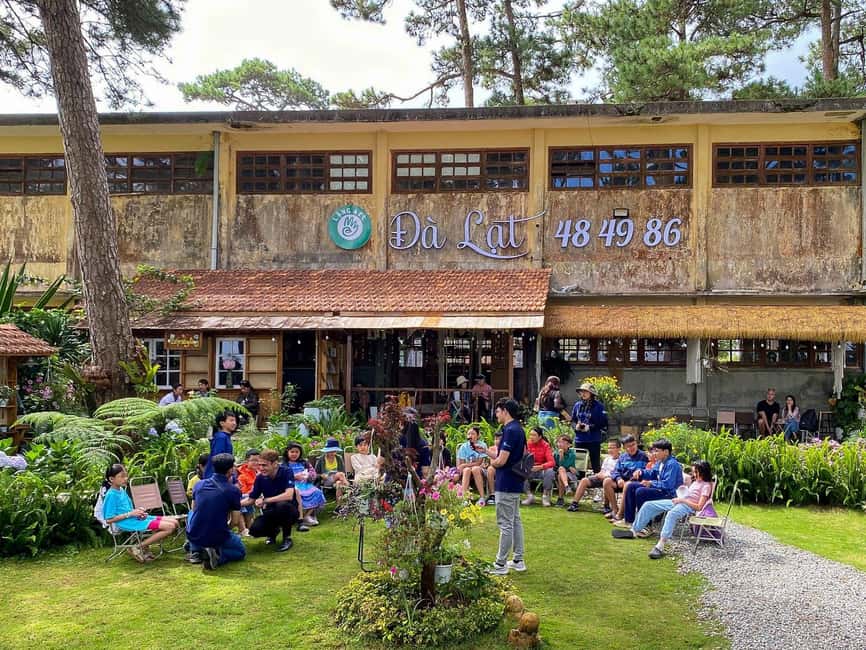
- Student-guided conversation: English practice happens naturally, not in a classroom.
- Robin Hill viewpoint time: panoramic breaks with photo-friendly stops, cable car optional.
- Truc Lam Zen Monastery in quiet pine air: calm temple moments between viewpoints.
- Tuyen Lam Lake for photos and breathing room: short, easy relaxation time.
- Lang Art Café support: a drink stop that ties directly to inclusion for deaf and non-verbal artists.
- Flexible pacing: timing and stop order can shift with traffic.
You can also read our reviews of more city tours in Da Nang



Robin Hill Viewpoint: Views First, Cable Car If You Want It
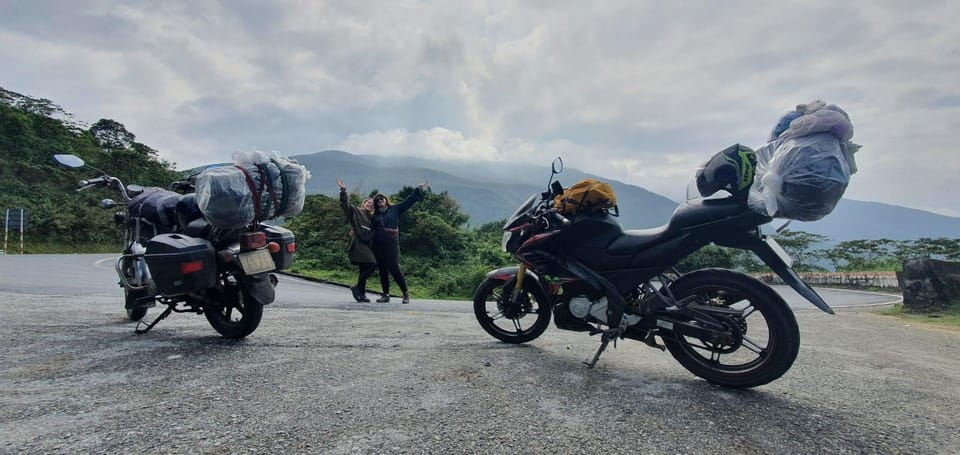
Your day starts with pickup in Dalat (8:00 AM, within 2 km of the city center included). Then it’s straight to Robin Hill Viewpoint—one of the easiest places to feel why Dalat has that reputation for cool air, hills, and wide angles.
At Robin Hill, you’ll get a break time and a photo stop. The cable car is optional and costs extra if you choose it. Practical note: cable car lines and weather can affect timing, so keep your expectations flexible. If you’re there for photos, arrive with a plan for where you want your shots—platforms, railings, and angles toward the city.
What makes this first stop work well on this particular tour is the way students guide it. Instead of a lecture, you’ll likely get a mix of directions, quick context, and conversation prompts. Guides like Berry and Minh (and others mentioned in prior tour experiences) are the type to point out details and help with getting the photo you want.
If you’re arriving jet-lagged or just tired of museums and waiting rooms, Robin Hill is a fast win. It’s outdoors, it’s photogenic, and it gets you moving without wasting half the morning.
Truc Lam Zen Monastery: A Quiet Reset Among the Pines

After Robin Hill, the tour heads to Truc Lam Zen Monastery. This is your slower stop, and it matters because it balances the more photo-driven viewpoints.
You’ll find the monastery surrounded by pine forests. That setting changes the whole feel of the morning: less city hustle, more stillness. Expect time for photos, a visit, and guided time on-site, plus a free window (about 30 minutes).
What I like about this stop on a student-led tour is how conversation can soften the “temple visit” into something more personal. Instead of rushing, you can ask questions—how Buddhist practices fit into modern life here, what locals find peaceful about the monastery, or what students think visitors miss.
A practical consideration: religious sites require a respectful mindset. Dress and behavior matter. If you’re unsure, copy what locals are doing—simple, calm, and covered enough for comfort.
Tuyen Lam Lake: Short Relaxation With Real Photo Potential

Next up is Tuyen Lam Lake. It’s described as the most picturesque lake of Dalat, and in practical terms that means you’ll want your camera ready the moment you arrive.
This stop is shorter (free time around 10 minutes), so don’t treat it like a long picnic. You’ll get a guided visit and photo opportunities, then you move on. The advantage of the time format is that it keeps the momentum. You’ll have enough time for a few strong shots and a quick reset—without feeling like you’re stuck waiting for the next transfer.
If you get motion-sick easily, keep your head level during transfers and avoid checking your phone constantly. The scooters and roads are part of the experience here, and the schedule is designed to keep stops efficient.
Cam Ly Church: French-Inspired Charm in Dalat’s Hill City Mood
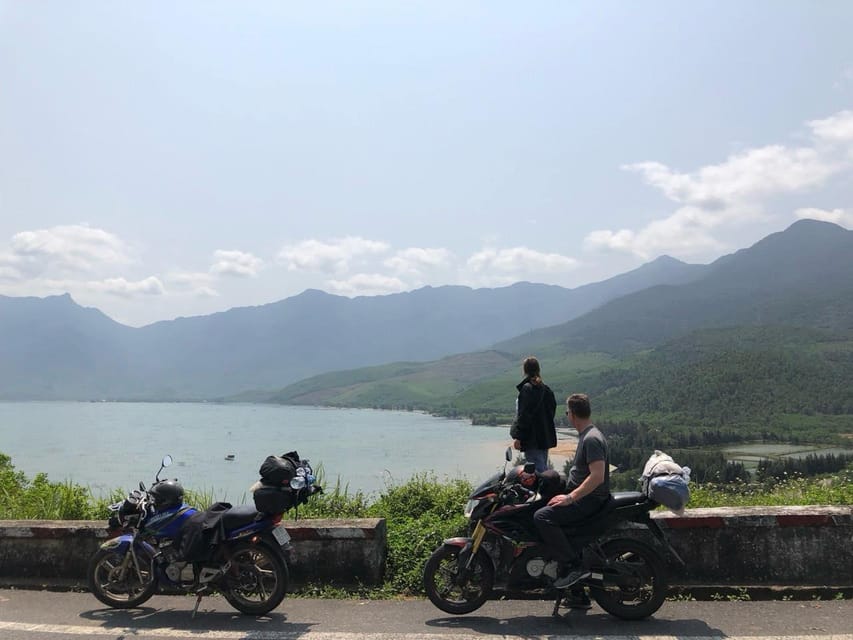
Cam Ly Church adds a different flavor to the morning. It’s a charming French-inspired church with local history, and it works as a mid-tour change of scenery—more architectural interest than lake-and-mountain views.
On a typical tour day, churches can feel like a quick stop. Here, you’re likely to get more than just a photo angle. Students tend to share small observations: what locals notice about the building, how the area fits into Dalat’s layout, and what makes the place feel distinct.
Because your guide is part of the “charity project powered by your kindness” idea, the interaction can feel more like a conversation with someone who’s lived nearby. You might also get photo help—some guides are noted for being good at shooting photos and giving you details on what to capture.
Wear comfortable shoes. You’ll probably walk a bit between viewpoints and around photo areas, and Cam Ly is one of those stops where good framing often means a few extra steps.






Lang Art Café: The Stop With a Built-In Meaning
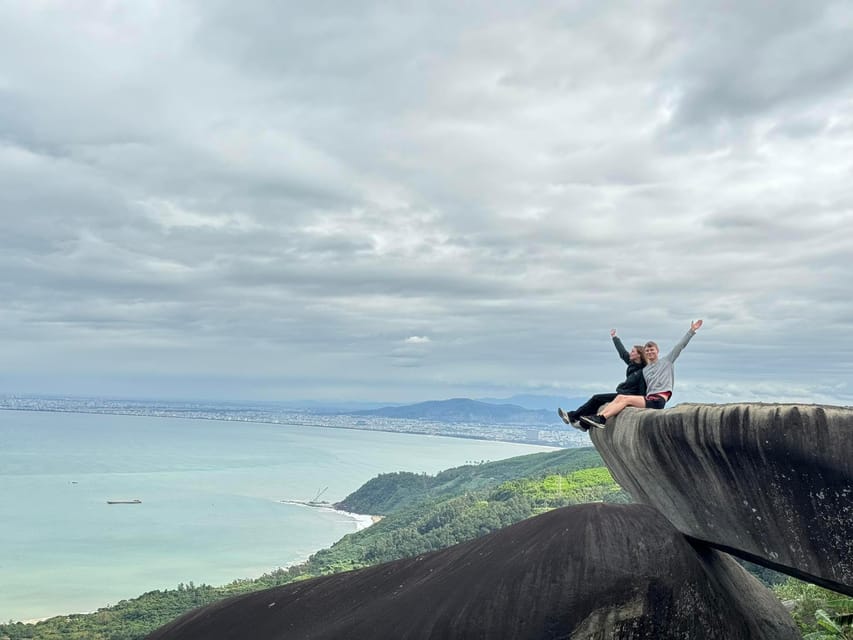
This is the moment that turns a sightseeing day into a “do something good” day.
Lang Art Café is described as a unique café run by deaf and non-verbal artists. You’ll relax with a drink there, and the point is clear: each visit supports creativity and inclusion. Even if you’re not doing anything “extra,” just stepping in for a drink connects you to the project’s purpose.
What makes this stop valuable is that it isn’t separate from the tour’s mission. It’s part of the same thread: students practicing English and building confidence while visitors support local inclusion initiatives.
A good mindset here: slow down. This isn’t a place to sprint through photos and leave immediately. You’ll have a window to sit, take in the atmosphere, and interact at your own comfort level. If you want to communicate, keep it simple—smiles, gestures, short questions. The café’s staff style is set up for you to connect naturally, not perfectly.
How the Scooter Ride Actually Works (And Why It’s Part of the Value)
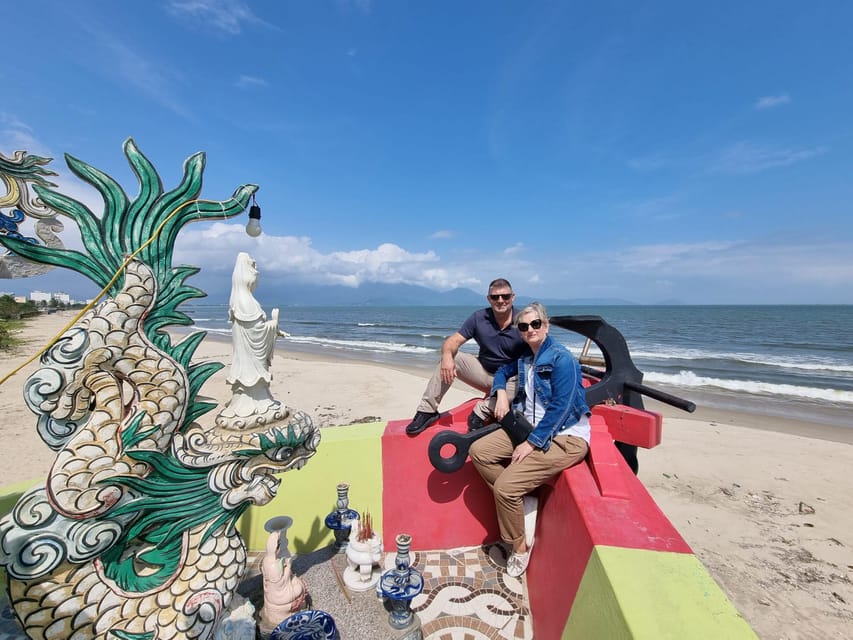
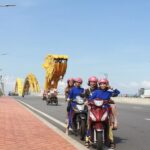
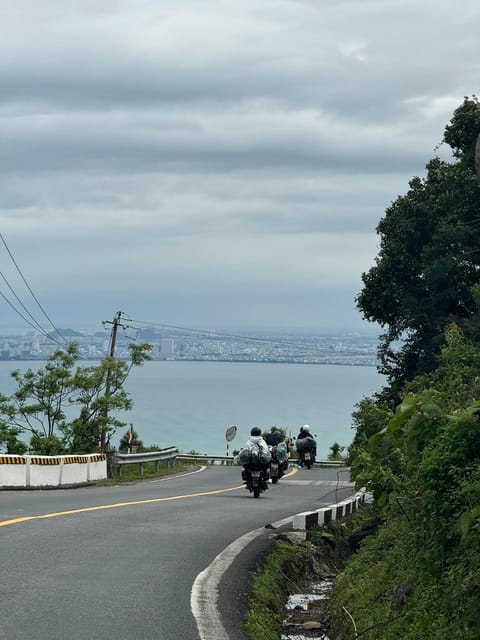
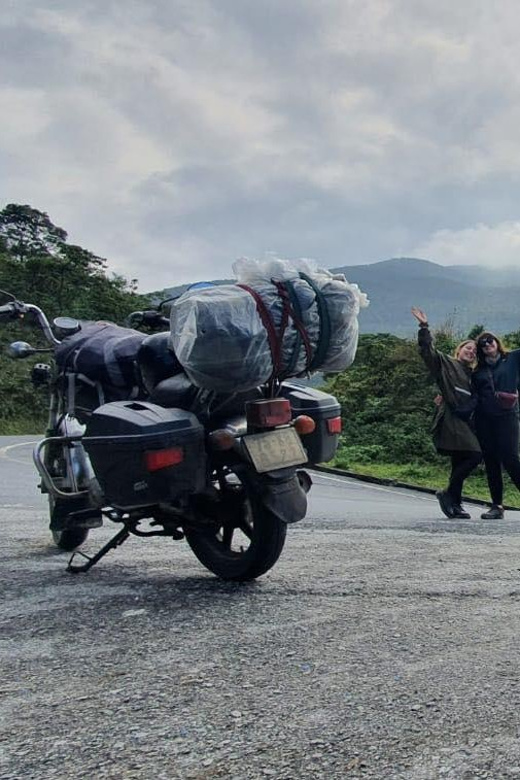
Most of the time, transportation is by scooter. You sit on the back while local university students drive. The tour describes it as safe and easy, and that matches what’s been shared in guide experiences: guides such as Brian and Min Min, and others with careful driving habits, have been praised for safe handling.
This matters for value. If you were hiring a traditional commercial guide with a car, you’d pay more and likely get less of the human exchange. The scooter method keeps things flexible and efficient, and it often feels more local than boxed-in touring.
Still, be honest with yourself:
- If you’re not comfortable on scooters, request the car option (extra fee).
- If you get cold easily, bring a light layer—Dalat can feel cooler than you expect.
- If you’re prone to seasickness-like motion discomfort, brace yourself for short rides between stops.
Also, don’t forget that scooter fuel and expenses are specifically addressed after the tour. That’s part of why your “after-tour payment” matters.
Price and What You’re Really Buying With It
The listed price is very low—$1.30 per person for a 4-hour half-day tour. On its own, that number sounds almost too good. The key is understanding how the total impact is structured.
Here’s the breakdown you should keep in mind:
- Your direct payment is meant to go to the student guides (100% of your direct payment).
- OTA booking platforms may add a 1 EUR service fee (which goes to the platform, not the local students).
- After the tour, you’re asked to pay US $10 directly to your student guide to cover scooter fuel and expenses.
So you’re not just “buying a tour.” You’re funding students practicing English with real visitors while they lead you around Dalat’s main highlights.
For many travelers, the biggest value isn’t the sights alone. It’s the fact that your time, conversation, and respect for the process support real people building real communication skills. At this price point, that’s unusually direct.
What Makes the Guides So Important Here
Because the guides are students, you’ll notice the difference between this tour and a professional guide service. This isn’t about polished, rehearsed storytelling. It’s about friendly interaction, Q&A, and learning through conversation.
From named examples in prior tour experiences, guides have been praised for:
- Good English and comfortable conversation
- Being smart, friendly, and able to manage the day smoothly
- Helping with photo angles and timing
- Keeping things personalized and adjusting to your preferences
That last part is big. One reason people enjoy this format is that the group can be small and the schedule can breathe. If you want a minute extra at a viewpoint or you’d rather move on quickly, you’re not always stuck in a rigid checklist.
Who This Tour Is Best For (And Who Should Skip It)
This Dalat tour is a great match if you:
- Want a meaningful sightseeing morning, not just a photo sprint
- Like talking with people and asking questions
- Are comfortable riding a scooter or you’ll request a car
- Enjoy the idea of a charity-driven local experience where money supports students directly
You might skip it if you:
- Need a fully professional, scripted guiding style
- Strongly dislike scooters
- Expect a long, slow itinerary with lots of free wandering time at each stop
For everyone else, it’s a solid way to see Dalat without paying tourist prices for tourist-only conversation.
Final Call: Should You Book This Dalat City Tour?
If you want Dalat highlights plus a human connection angle, I’d book it. The stops are well chosen—Robin Hill viewpoint, Truc Lam Zen Monastery, Tuyen Lam Lake, Cam Ly Church, and Lang Art Café—and the student-led, donation-focused setup makes your day feel useful.
Just go in with the right expectations. You’re partnering with student guides, not hiring a corporate sightseeing machine. If you’re flexible, kind, and comfortable on a scooter, you’ll get far more than a checklist of attractions. You’ll leave with stories—and you’ll help students practice English while building confidence at the same time.
FAQ
How long is the Dalat city tour?
The tour lasts about 4 hours.
What time does pickup happen?
Pickup is included at 8:00 AM from your accommodation within 2 km of Da Lat center.
What if my hotel is farther than 2 km from the center?
A $5 surcharge applies for pickup locations farther away than 2 km from Da Lat center.
How do you travel during the tour?
You can travel by scooter with local university students. A car option is available on request for an extra fee.
Is the Robin Hill cable car included?
The cable car at Robin Hill is optional and has an extra fee.
What stops are included?
The main stops are Robin Hill Viewpoint, Truc Lam Zen Monastery, Tuyen Lam Lake, Cam Ly Church, and Lang Art Café. The exact timing and order can be flexible based on traffic.
What language is the tour guide?
The tour includes live guidance in English and Vietnamese.
Do I pay anything after the tour?
Yes. After the tour, you’re asked to pay US $10 directly to your student guide to cover scooter fuel and expenses.
Is the money from the tour going to students?
Your direct payment is described as going to the student guides (100% of direct payment). OTA platforms may charge a 1 EUR service fee that goes to the platform.
Is there free cancellation?
Yes. You can cancel up to 24 hours in advance for a full refund.